December 29, 2025
The city of Sherbrooke, located in the heart of Estrie, faces complex environmental challenges that require a methodical and rigorous approach. Environmental assessment is an indispensable tool for understanding, evaluating, and preserving the urban ecosystem of this rapidly expanding metropolis.
An environmental diagnostic is a comprehensive assessment of the state of the environment in a given area. This scientific approach identifies sources of pollution, analyzes the quality of natural environments, and proposes solutions adapted to local issues.
In Sherbrooke, this analysis is particularly relevant given the region's industrial history and rapid urban development. Experts are examining several components: air quality, soil condition, the health of waterways, local biodiversity, and the impact of human activities on these different elements.
Sherbrooke's unique geographical position, at the confluence of the Saint-François and Magog rivers, creates special environmental challenges. These watercourses, the vital arteries of the region, require constant monitoring to preserve their quality and ecological role.
The region's rolling terrain also influences the circulation of atmospheric pollutants and the management of stormwater runoff. These topographical features must be integrated into any environmental diagnostic approach to achieve accurate and actionable results.
Sherbrooke's downtown area, with its heavy car traffic and industrial activities, presents air quality challenges. Fine particles, nitrogen oxides, and other atmospheric pollutants are regularly monitored.
Residential areas are not spared, especially during the winter period when wood heating contributes to the degradation of air quality. This issue requires a comprehensive approach integrating citizen habits and municipal policies.
Sherbrooke's industrial heritage has left its mark on certain sectors of the city. Former manufacturing sites, abandoned gas stations, and landfill sites are all potential sources of soil contamination that require particular attention during environmental diagnostics.
The Saint-François and Magog rivers are under pressure from urban development. Urban runoff, industrial and domestic discharges, and bank modifications are all factors that influence water quality and the health of aquatic ecosystems.
The process begins with a comprehensive collection of existing data: previous studies, pollution registries, meteorological and hydrological data. This documentary phase allows for the establishment of a historical profile and the identification of priority areas of interest.
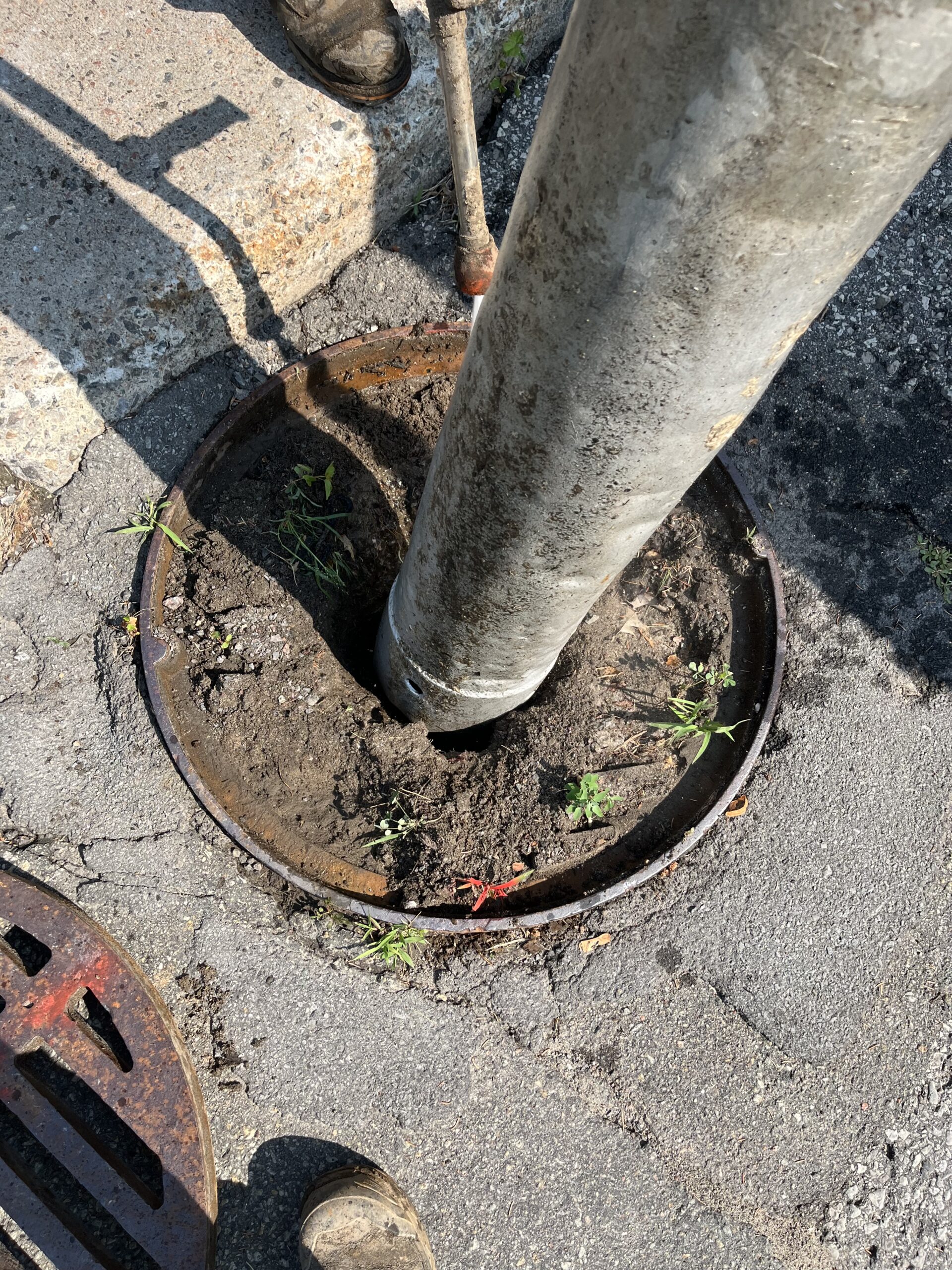
The next step involves field sampling. Soil sampling, water quality analysis, atmospheric measurements, and biological inventories provide the quantitative data needed for the assessment.
Sherbrooke benefits from technological advancements in environmental diagnostics. Drones equipped with sensors, remote sensing systems, computer modeling, and cutting-edge laboratory analyses allow for more accurate and faster results than before.
The University of Sherbrooke plays a key role in the development and application of these new technologies, bridging the gap between academic research and the practical needs of the municipality.
Carrying out an environmental diagnosis in Sherbrooke involves a number of players. The City of Sherbrooke generally coordinates the efforts, in collaboration with the Ministère de l'Environnement du Québec and various environmental firms.
Citizens also play an important role, particularly through environmental watch committees and community groups that report local issues and participate in participatory monitoring.
The results of environmental diagnostics directly guide urban planning decisions. They allow for the identification of sensitive areas to protect, sectors requiring decontamination, and spaces suitable for residential or commercial development.
These assessments inform the development of municipal environmental policies. Emission regulations, greening programs, waste management: these are all areas where environmental diagnostics provide essential scientific insight.
Environmental diagnostics in Sherbrooke must adapt to the new challenges of the 21st century. Climate change, growing urbanization, the emergence of new pollutants: these issues are making analyses more complex and calling for innovative approaches.
The integration of public health issues into environmental diagnostics also represents an important trend, recognizing the close links between environmental quality and population well-being.
Environmental diagnosis is a fundamental tool for Sherbrooke's sustainable future. By combining scientific expertise, citizen participation and political vision, this process contributes to preserving and improving the quality of life in this dynamic Eastern Townships city, while preparing future generations to inherit a healthy and resilient environment.
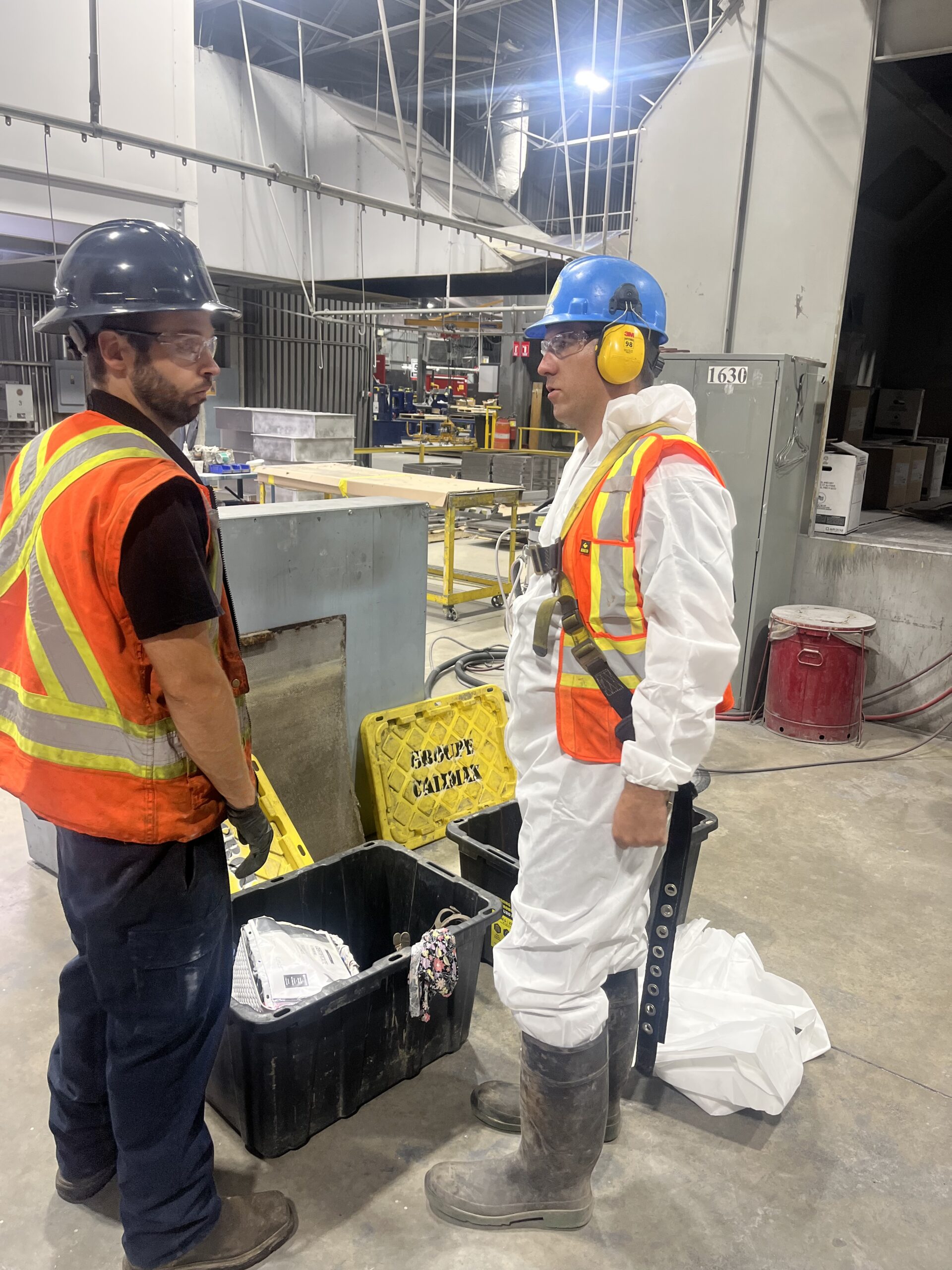
Standardized procedures, certified equipment, ongoing training and 24/7 availability.