October 6, 2025
Sherbrooke, the metropolis of the Eastern Townships, is home to a diversified industrial fabric that generates large quantities of waste every day, requiring rigorous management. The region's manufacturing companies, research laboratories and industrial facilities face complex waste treatment and disposal challenges.
Proper management of industrial waste is more than just a regulatory obligation. It is a major environmental issue that has a direct impact on the quality of life of Sherbrooke residents and the preservation of local ecosystems, particularly the watersheds of the Saint-François River.
Sherbrooke's industries produce an impressive variety of wastes that require specialized approaches. Chemical waste from university laboratories and biotech companies is a particularly sensitive category. These residues may contain solvents, acids, bases and other substances that are potentially hazardous to the environment.
The manufacturing sector generates metal waste, used oils, paint residues and composite materials. Textile companies, still present in the region, produce colored effluents and synthetic fibers that require specialized treatment before disposal.
Electronic waste is also a growing concern, particularly with the presence of technology companies and research centers that regularly renew their equipment.
Quebec's regulatory framework imposes strict standards for industrial waste management. Sherbrooke companies must comply with the Environment Quality Act and specific municipal by-laws. This compliance requires rigorous documentation, including waste characterization, traceability and disposal methods.
Regular environmental inspections verify compliance with these standards, and the penalties for non-compliance can be considerable. Companies must therefore invest in effective document management systems and train their staff in best practices.
Prior to any industrial waste management activity, companies must obtain the appropriate permits from the Quebec Ministry of the Environment. These authorizations vary according to the type and quantity of waste handled. The process can take several months, and often requires environmental impact studies.
Sherbrooke benefits from an ecosystem of services specialized in industrial waste management. Several local companies offer collection, transportation and treatment services tailored to the specific needs of each business sector.
Chemical neutralization techniques make it possible to render certain hazardous wastes harmless directly on site. This approach reduces transport costs and minimizes handling risks. For waste that cannot be treated locally, partnerships with specialized treatment centers located elsewhere in Quebec guarantee safe disposal.
Controlled incineration remains an option for certain types of organic waste, while metal waste is subject to increasingly sophisticated recovery and recycling programs.
Technological advances are opening up new prospects for the treatment of industrial waste. Pyrolysis, membrane processes and environmental biotechnologies offer more sustainable alternatives to traditional methods. Some Sherbrooke companies are already exploring these innovations to optimize their waste management.
The circular economy approach is gaining in popularity among Sherbrooke's industries. This philosophy transforms the waste of one company into raw materials for another, creating beneficial industrial synergies. Industrial symbiosis initiatives are emerging in the region's industrial parks, promoting the exchange of residues between complementary companies.
Energy recovery is another promising avenue. Certain types of organic waste can be converted into biogas or alternative fuels, thereby contributing to the objectives of reducing greenhouse gas emissions.
Despite the progress made, industrial waste management in Sherbrooke faces a number of challenges. The constant increase in waste volumes, the growing complexity of its composition and the rapid evolution of regulations require us to continually adapt our practices.
Rising treatment and disposal costs are prompting companies to rethink their production processes to minimize waste generation at source. This preventive approach, while initially more demanding, often proves more economical in the long term.
The future of industrial waste management in Sherbrooke is moving towards greater integration of digital technologies, enabling real-time monitoring of waste flows and optimization of collection routes. This digital transformation, combined with growing corporate awareness of environmental issues, augurs well for the continued improvement of industrial waste management practices in the region.
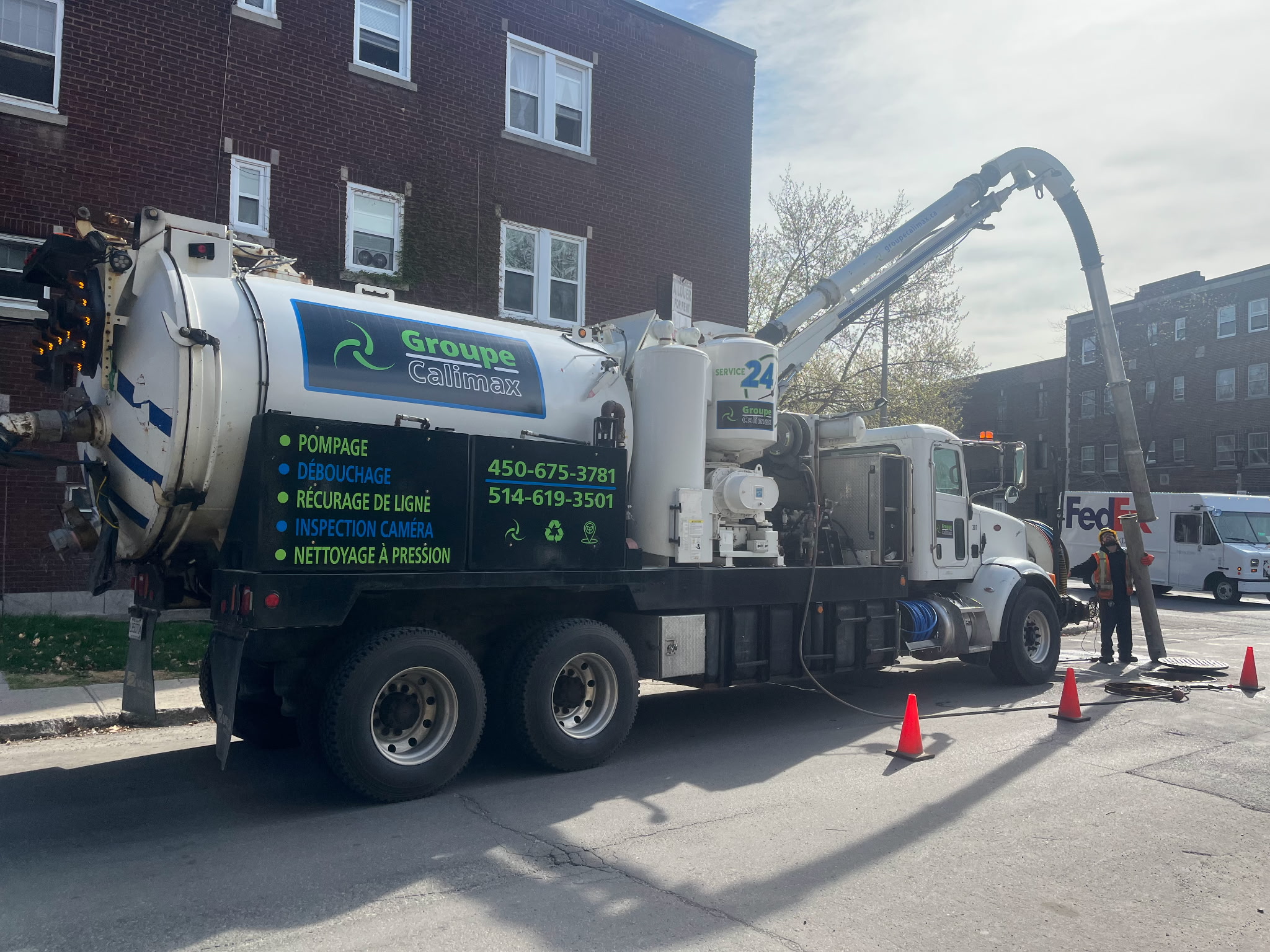
Standardized procedures, certified equipment, ongoing training and 24/7 availability.