July 27, 2026
Mirabel is a city experiencing rapid industrial expansion. With its numerous commercial areas and growing industrial parks, the need for wastewater and liquid residue management has never been greater. Among the most sought-after services in this sector, industrial sludge pumping plays a central role. Whether you are a plant manager, a production site supervisor, or a manufacturing business owner, understanding the issues related to this service can make all the difference in your daily operations.
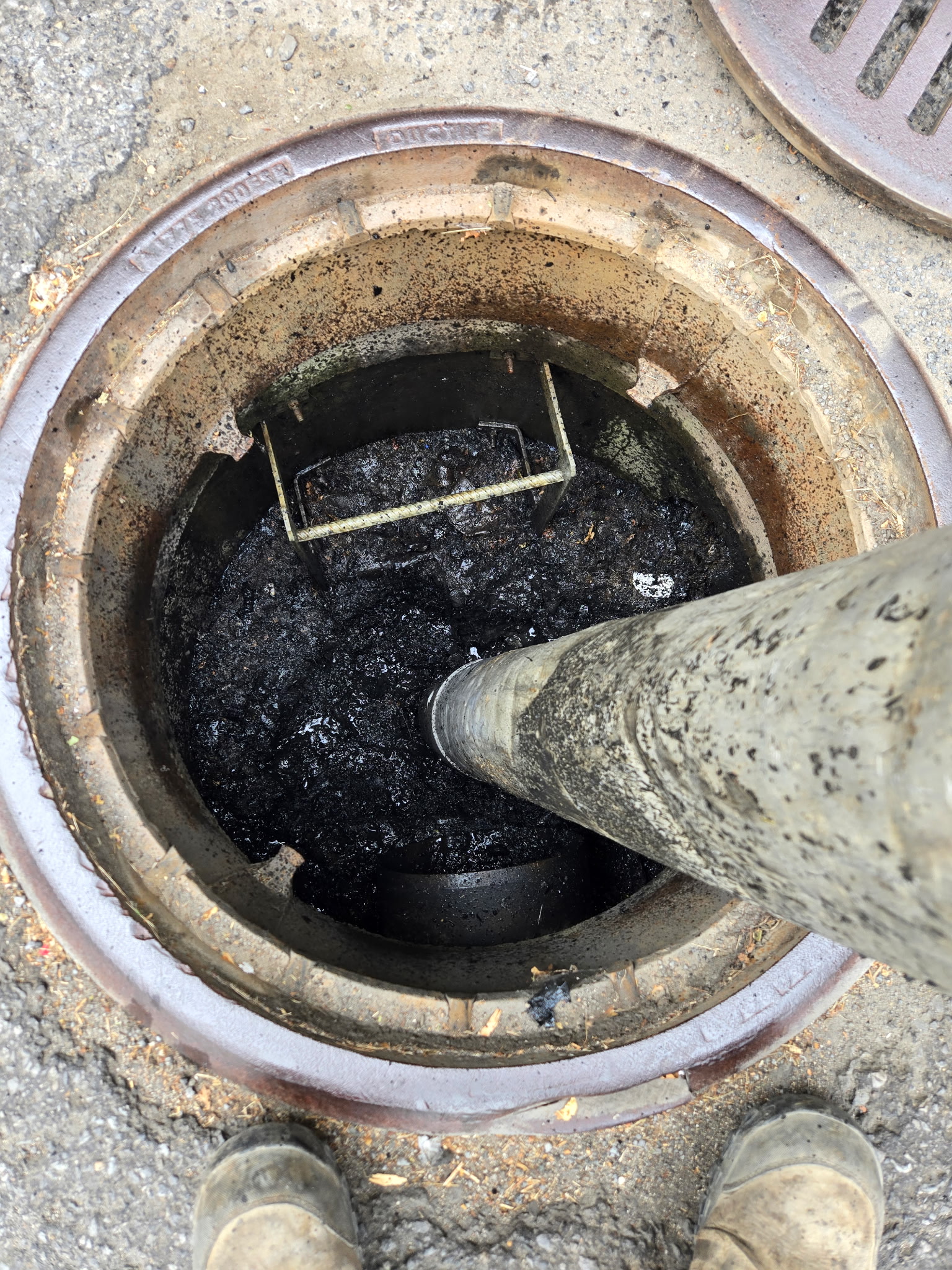
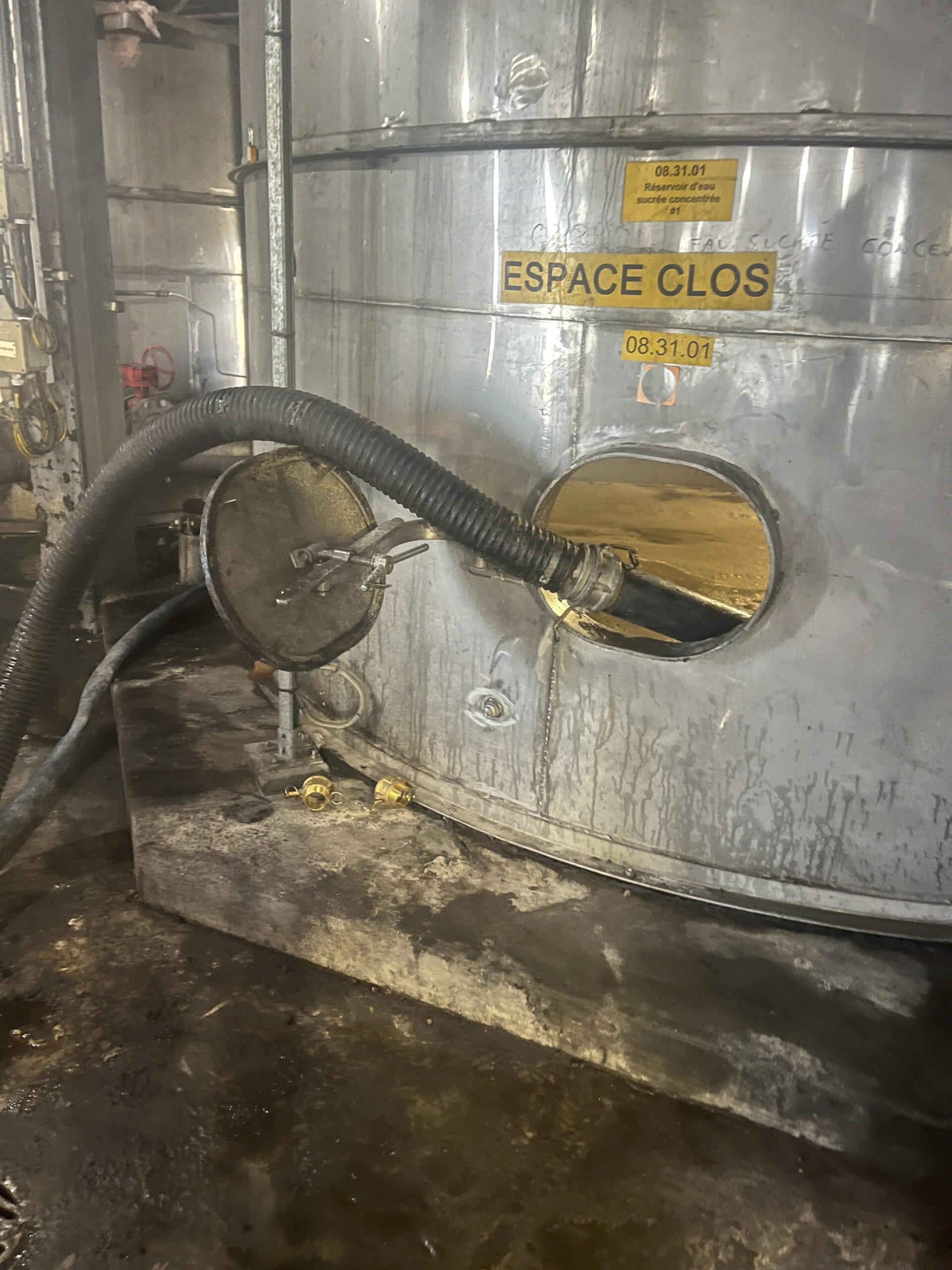
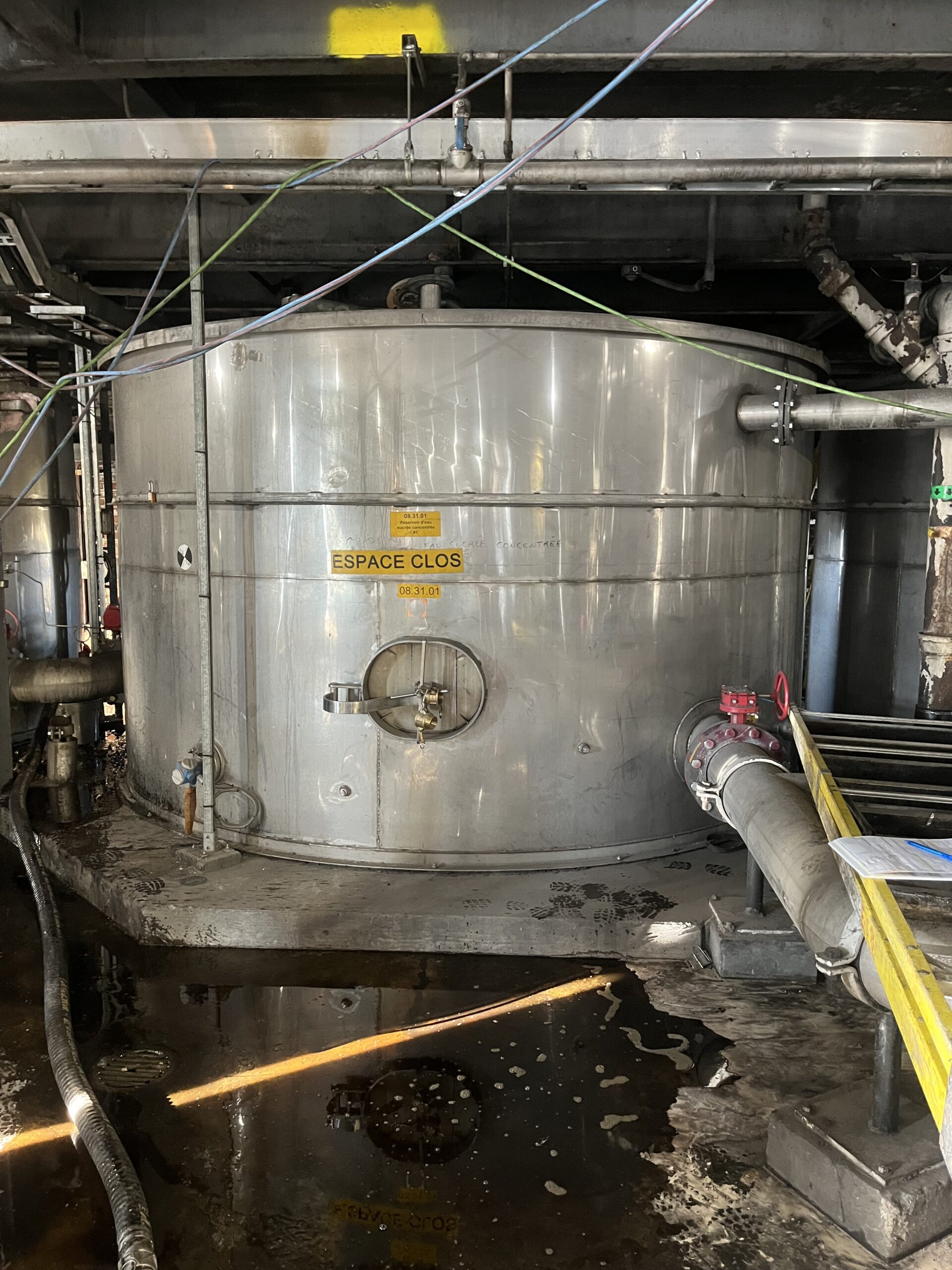
Industrial sludge consists of mixtures of liquids and suspended solids generated by various production activities. It is found in settling basins, retention pits, water treatment systems, and filtration equipment. These residues may contain oils, greases, suspended metals, chemicals, or simply sediments accumulated over time.
Pumping these sludges involves extracting them mechanically using specialized equipment, and then transporting them to treatment or disposal sites that comply with current environmental standards. This is work that requires expertise, suitable equipment, and a precise knowledge of local regulations.
Without regular and efficient pumping, industrial sludge can cause serious problems. Excessive accumulation in basins or pits can lead to overflows, blockages in drainage systems, or even contamination of the soil or groundwater. In a city like Mirabel, where the natural environment remains very present despite urbanization, these risks should not be taken lightly.
In addition, provincial and municipal authorities impose strict obligations regarding industrial waste management. Failure to meet these requirements can lead to heavy fines, forced production shutdowns, or even legal proceedings. Hiring a professional sludge pumping service is therefore also a way to protect your business legally.
Mirabel is home to a wide variety of industries: aerospace, agri-food, metal processing, logistics, warehousing, and many others. Each sector generates sludge with very different characteristics.
In mechanical workshops, metal manufacturing facilities, or industrial garages, hydrocarbon-laden sludge is frequently found. These materials are particularly difficult to pump and treat due to their high viscosity. Powerful vacuum pumps or hydrovac trucks are generally required for this type of operation.
Companies in the agri-food sector or those with industrial septic tanks produce sludge with a high organic content. These residues often emit strong odors and present bacteriological risks. Their management must comply with rigorous hygiene protocols, both for the protection of workers and the environment.
Certain industries use chemicals in their manufacturing or cleaning processes. The resulting sludge can be corrosive, toxic, or reactive. Pumping it requires resistant equipment and operators trained in hazardous materials. The transportation and disposal of this sludge are also subject to special rules in Quebec.
Everything starts with a site assessment. A technician visits the location to analyze the type of sludge, the volume to be extracted, site accessibility, and available equipment. This step is essential for choosing the most appropriate method and preparing an accurate estimate.
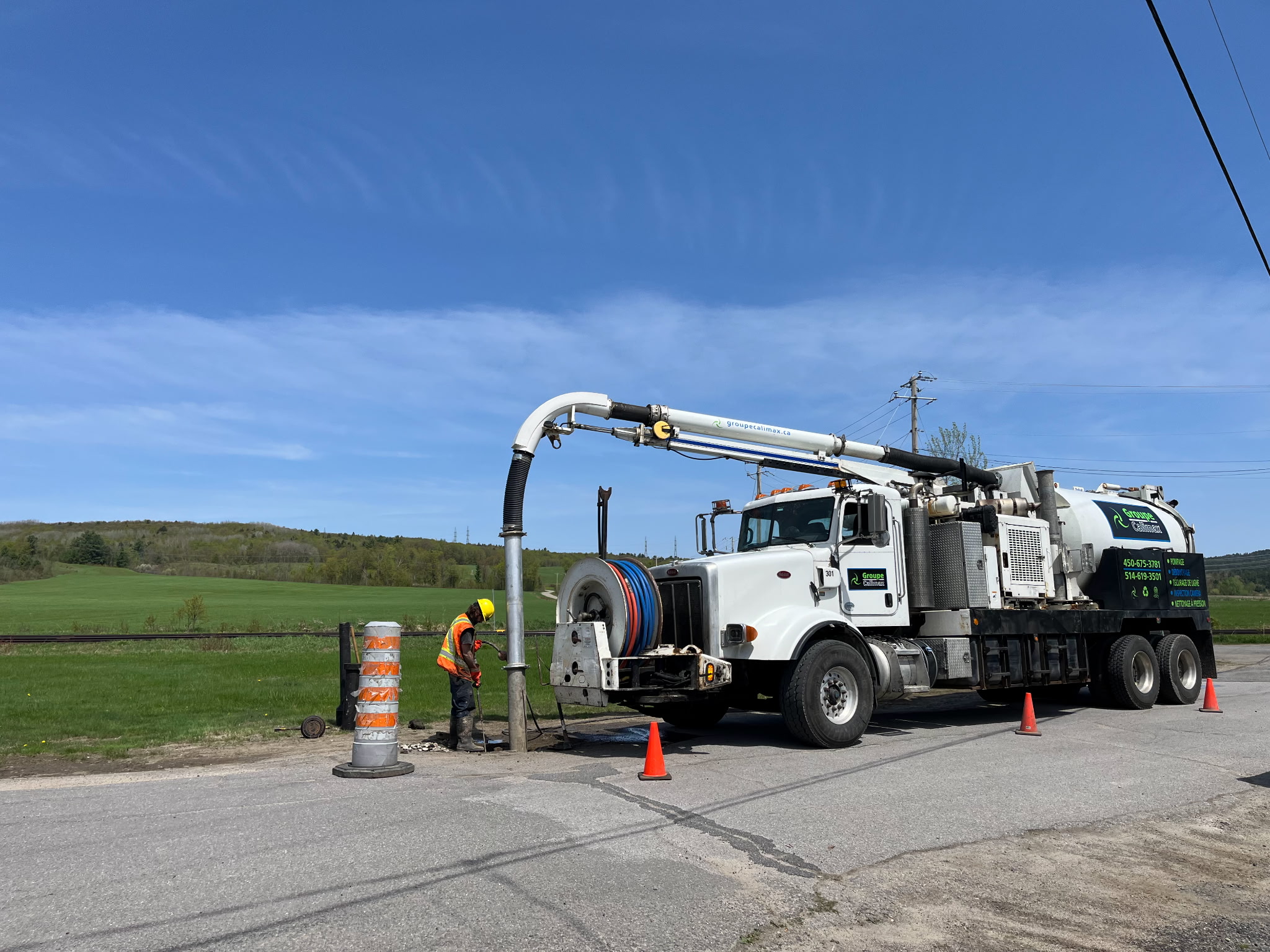
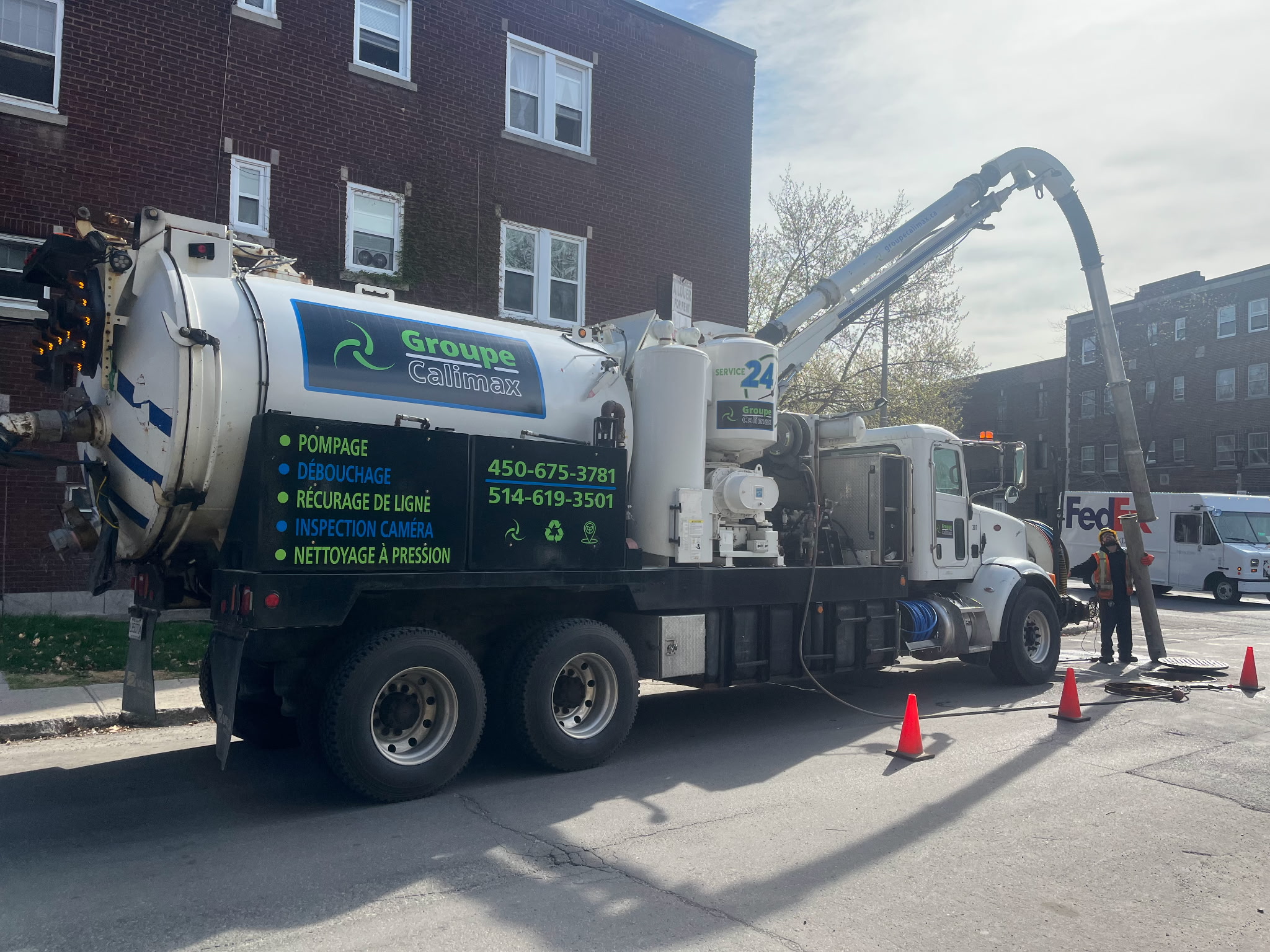
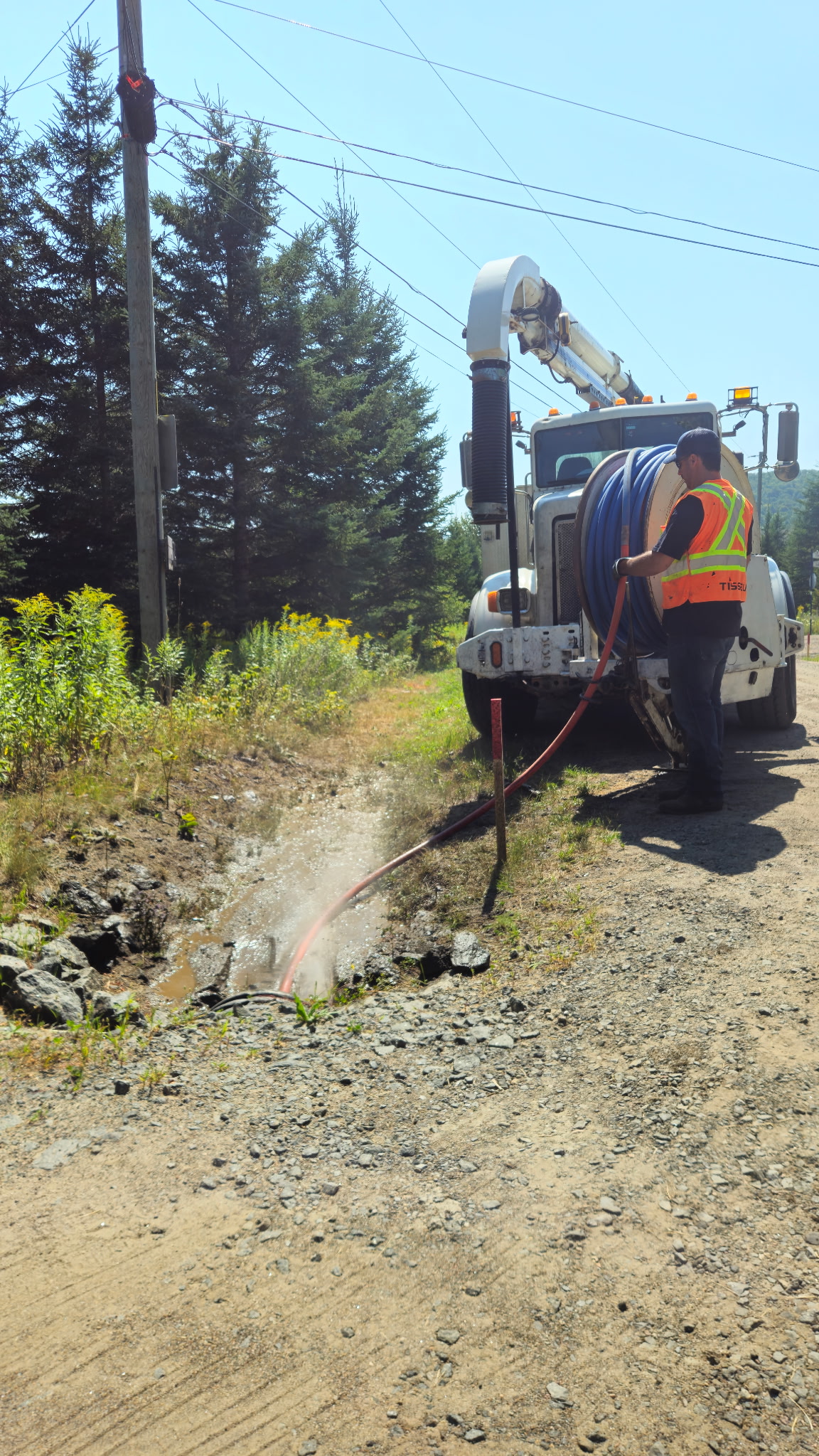
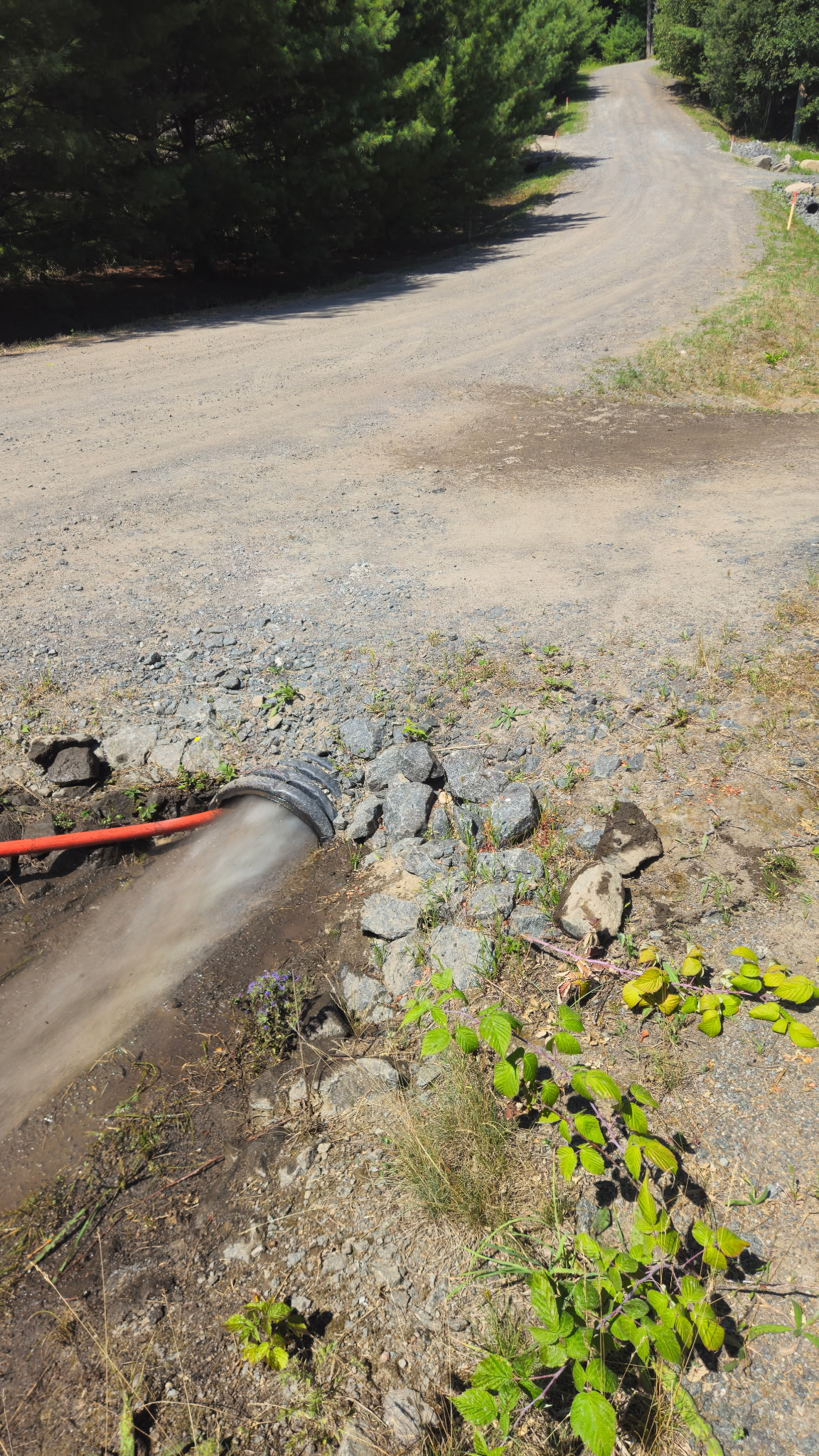
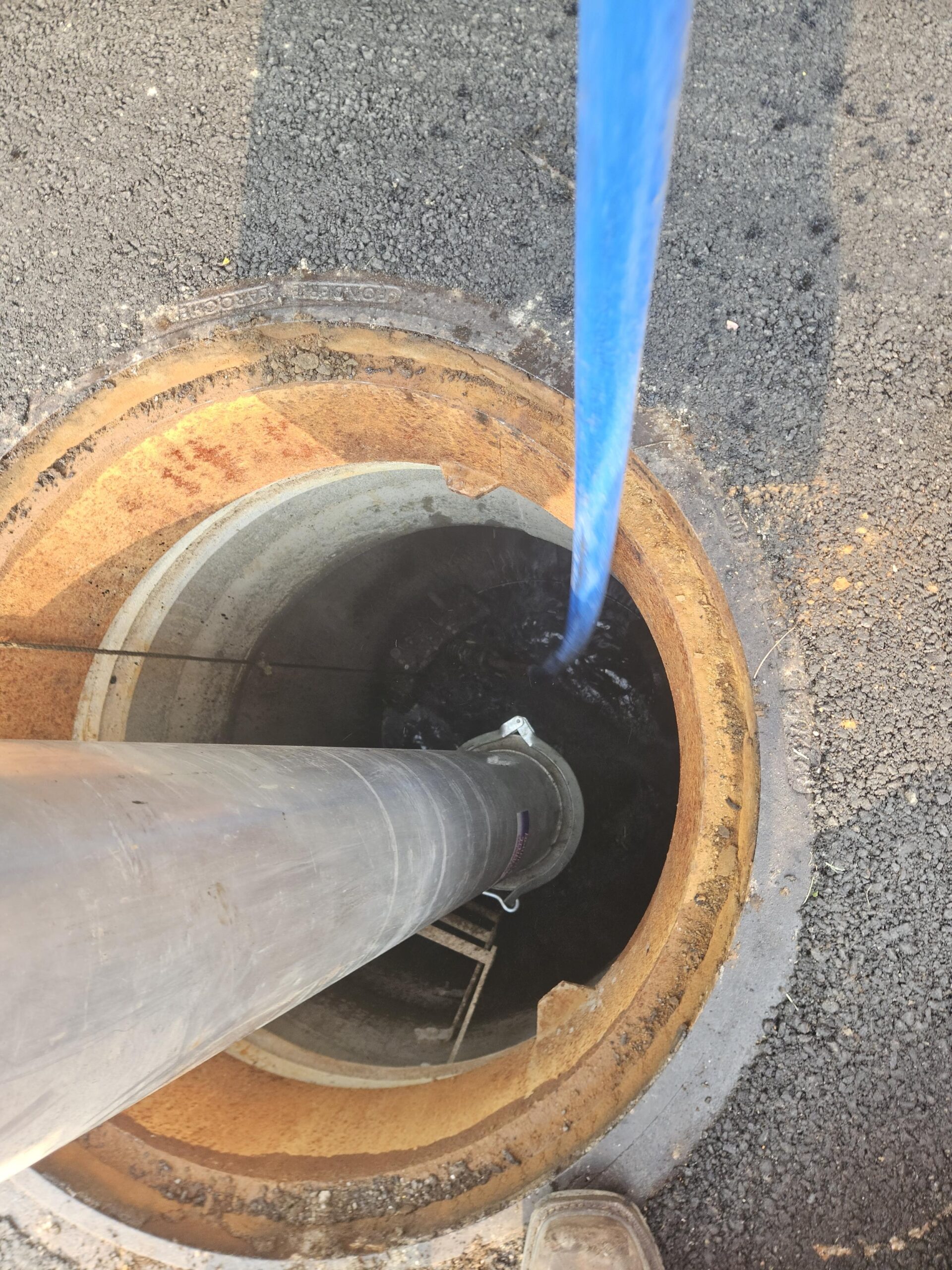
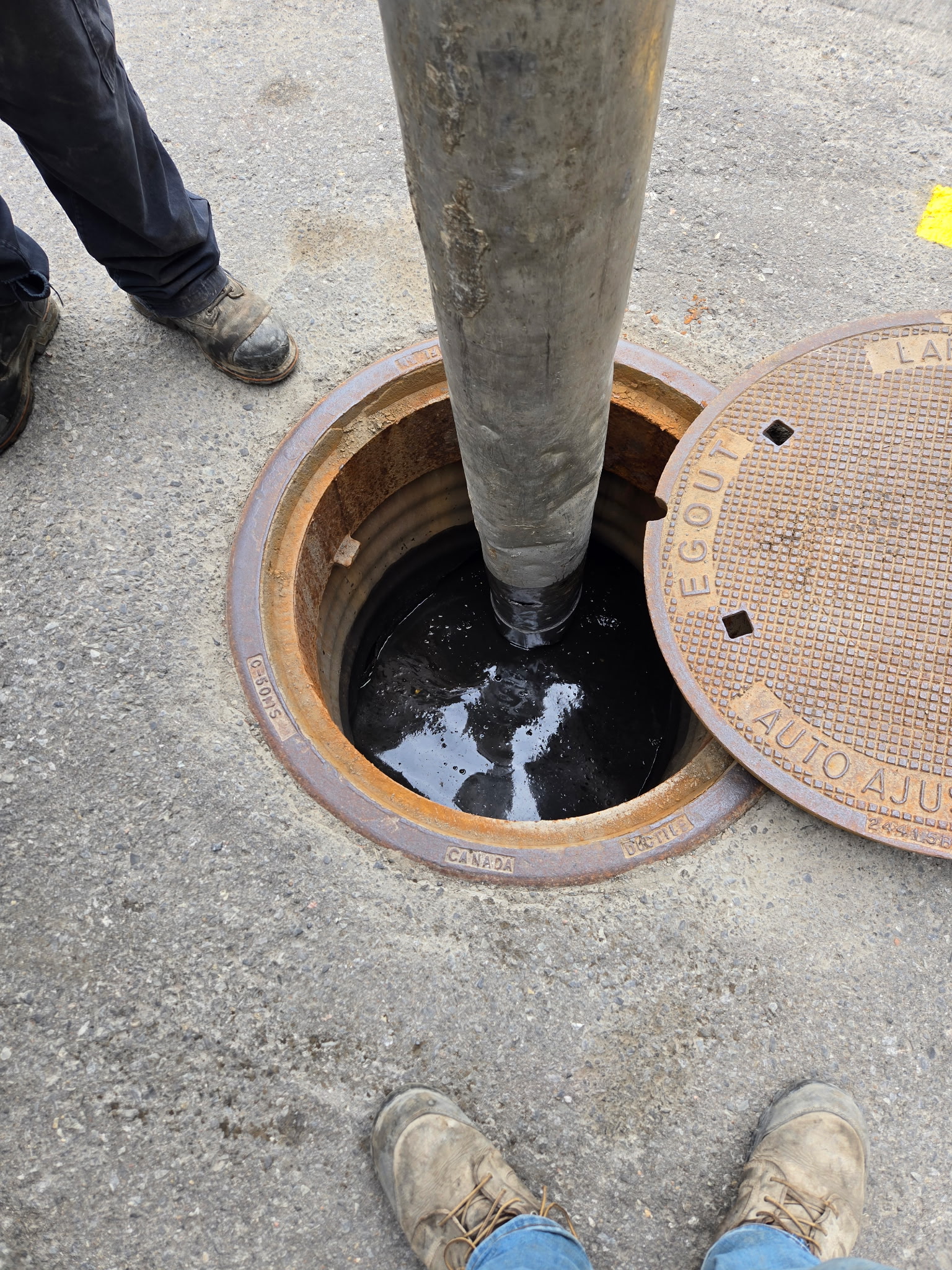
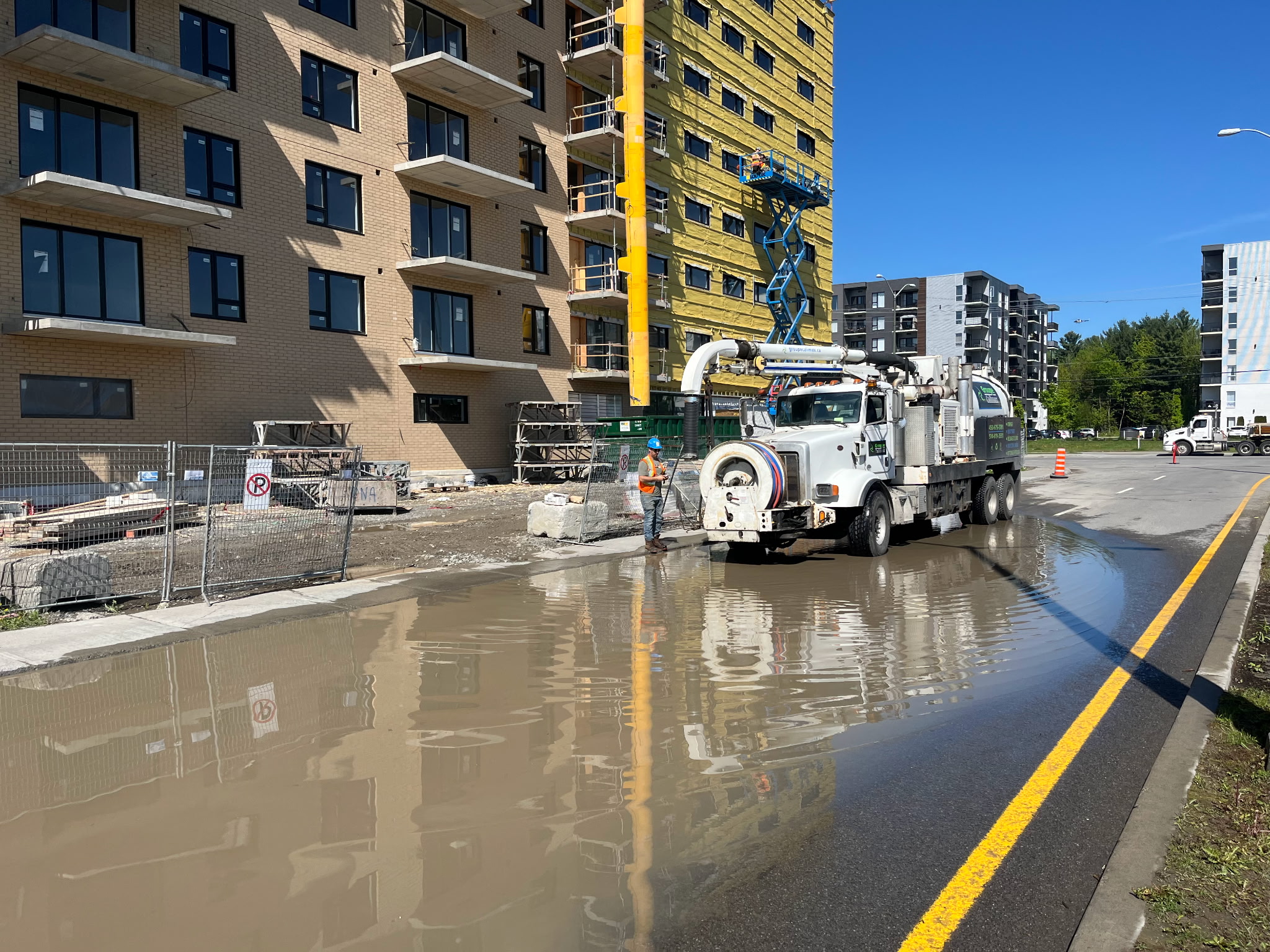
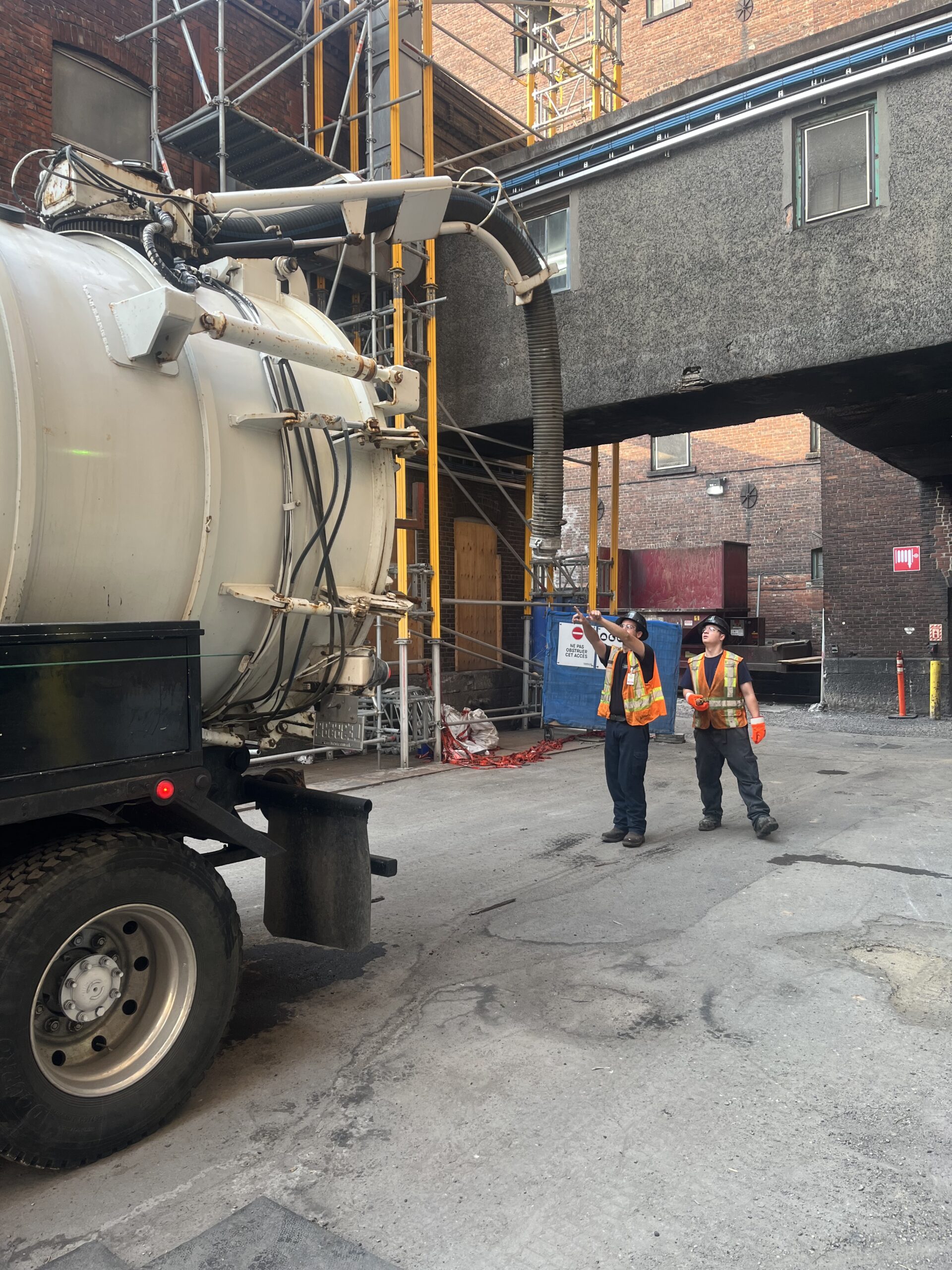
Once the intervention plan is established, the team travels with the required equipment. Depending on the needs, this may include vacuum tanker trucks, hydrovac trucks that combine high-pressure water and suction, or submersible pumps for large pits. The extraction process can last from a few hours to several days depending on the scale of the work.
After pumping, the sludge is transported to authorized facilities for treatment or disposal. A tracking form for hazardous or residual materials is provided to the customer, allowing them to demonstrate compliance in the event of an inspection.
The frequency of interventions depends on several factors: production volume, the type of sludge generated, basin capacity, and the regulatory requirements applicable to the industry in question. As a general rule, quarterly or semi-annual monitoring is recommended for most industrial facilities. Some sites with intensive production may require monthly interventions, or even more frequent ones.
It is always better to be safe than sorry. Planning regular oil changes helps avoid emergency situations, which are always more costly and stressful to handle.
For an industrial sludge pumping service in Mirabel, it is important to call upon a company that is well acquainted with local realities. Geographic proximity guarantees a fast response time, which is crucial in the event of a spill or unexpected overload.
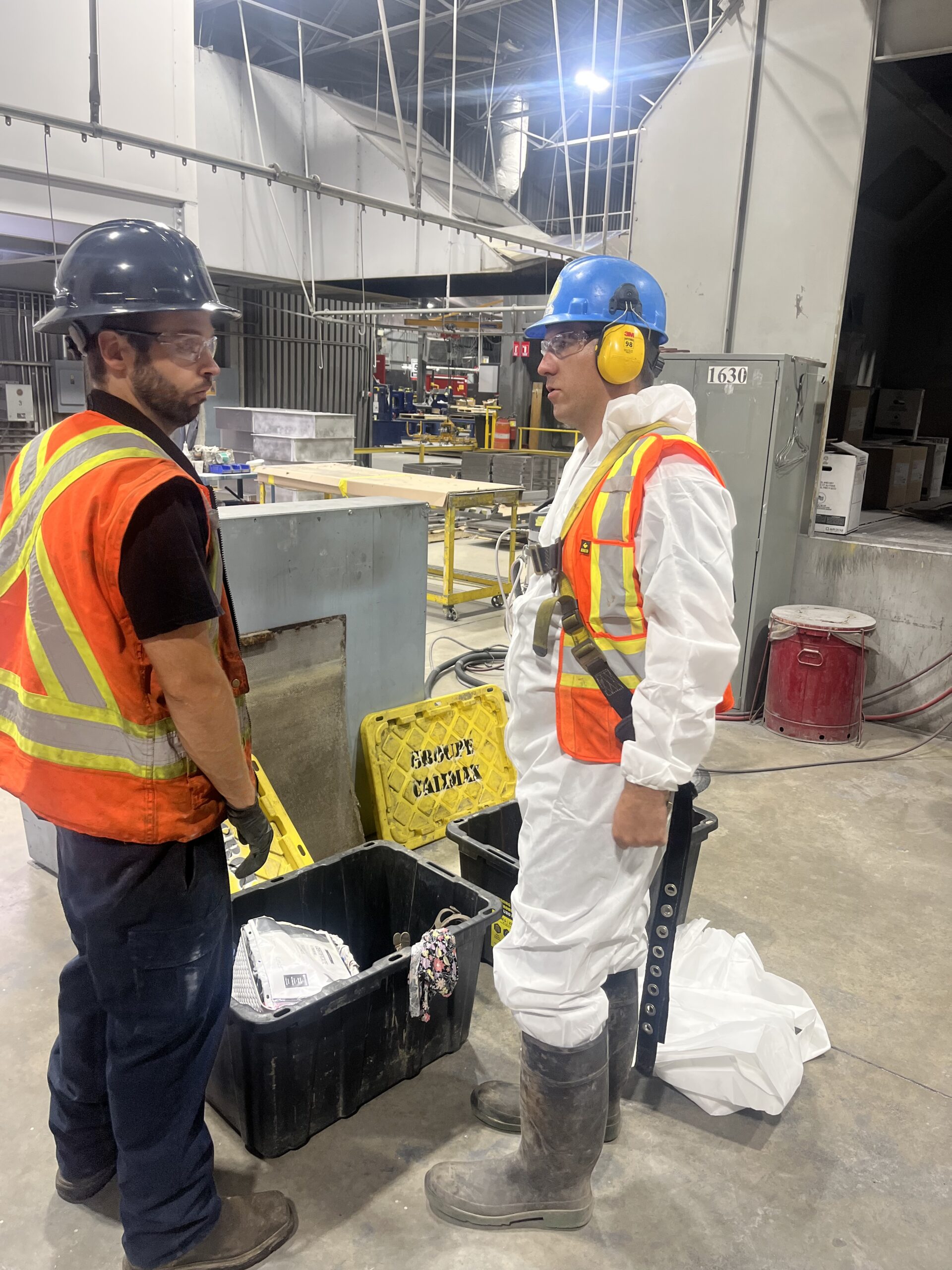
Make sure the service provider has the necessary certifications, that its employees are trained in safety matters, and that its trucks are approved for the transport of residual materials. Also, ask for references or examples of similar contracts completed in your industry.
A good industrial sludge management partner doesn't just empty your pits. They advise you on best practices, help you plan your maintenance, and can even assist you with your environmental compliance procedures. In Mirabel as elsewhere, this type of long-term collaboration is often the key to efficiency and peace of mind for companies facing industrial residue management challenges.
Standardized procedures, certified equipment, ongoing training and 24/7 availability.