October 27, 2025
In Sherbrooke's constantly evolving urban context, Phase 2 environmental assessment represents a major challenge for sustainable development and environmental protection. This critical step enables us to identify and assess potential risks linked to soil and groundwater contamination, thus guaranteeing the safety of future development projects.
Phase 2 environmental assessment is the logical follow-up to phase 1, when the latter has revealed indications of potential contamination. This stage involves in-depth field investigations, including drilling, soil and groundwater sampling, and specialized laboratory analysis.
In Sherbrooke, this is particularly important because of the region's industrial past. Former manufacturing activities, disused service stations and industrial sites may have left traces of contamination that require careful investigation prior to any redevelopment project.
The city of Sherbrooke, with its rich industrial heritage, presents unique environmental assessment challenges. Downtown areas and former industrial zones require particular attention in urban revitalization projects.
The most common contaminants found in the region include petroleum hydrocarbons, heavy metals and sometimes volatile organic compounds. These substances may originate from old underground reservoirs, accidental spills or past industrial activities.
Phase 2 assessment in Sherbrooke follows a rigorous methodology adapted to local geological conditions. Qualified professionals first carry out detailed planning of survey points, taking into account the topography, geology and potential sources of contamination identified in Phase 1.
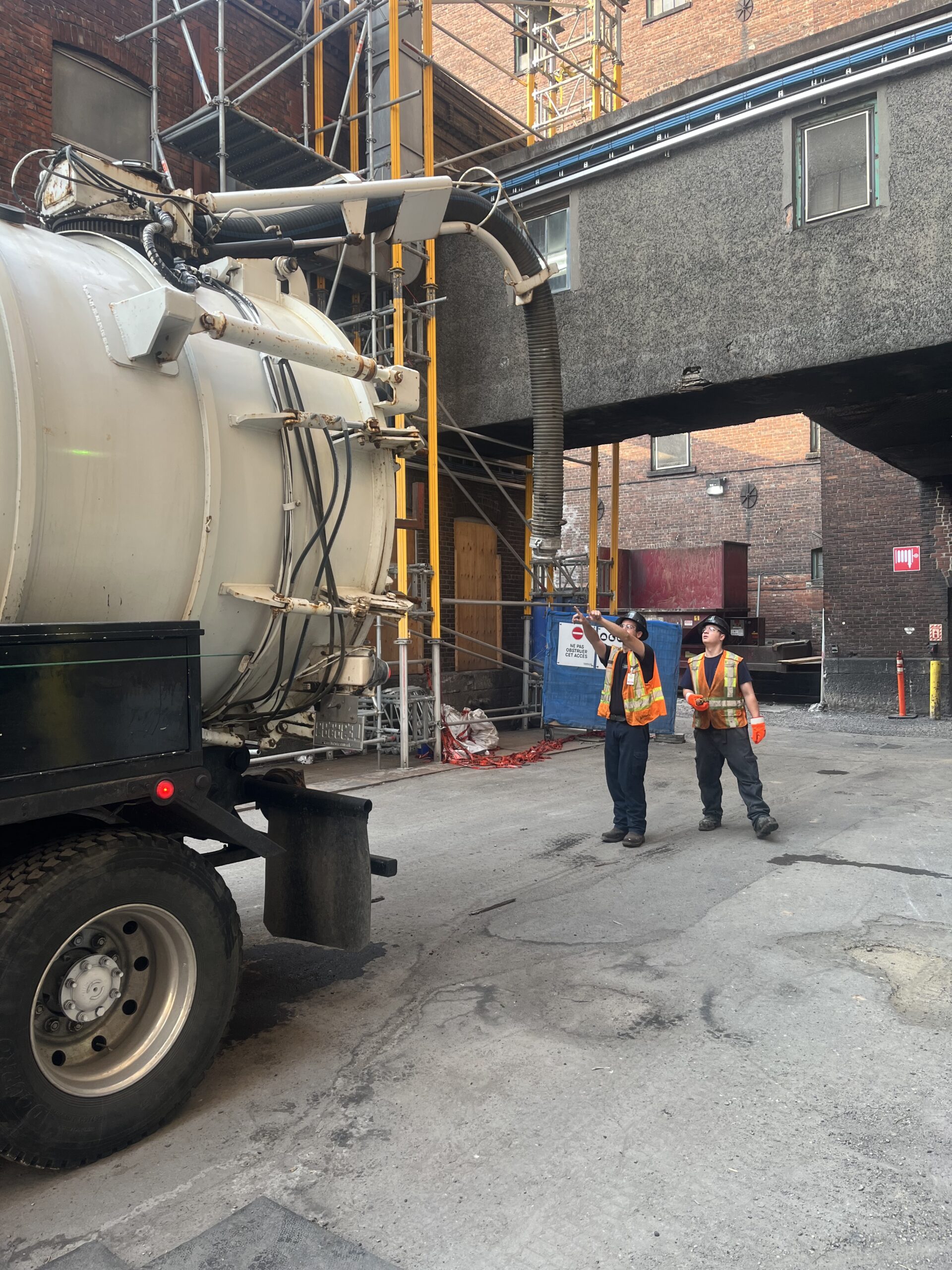
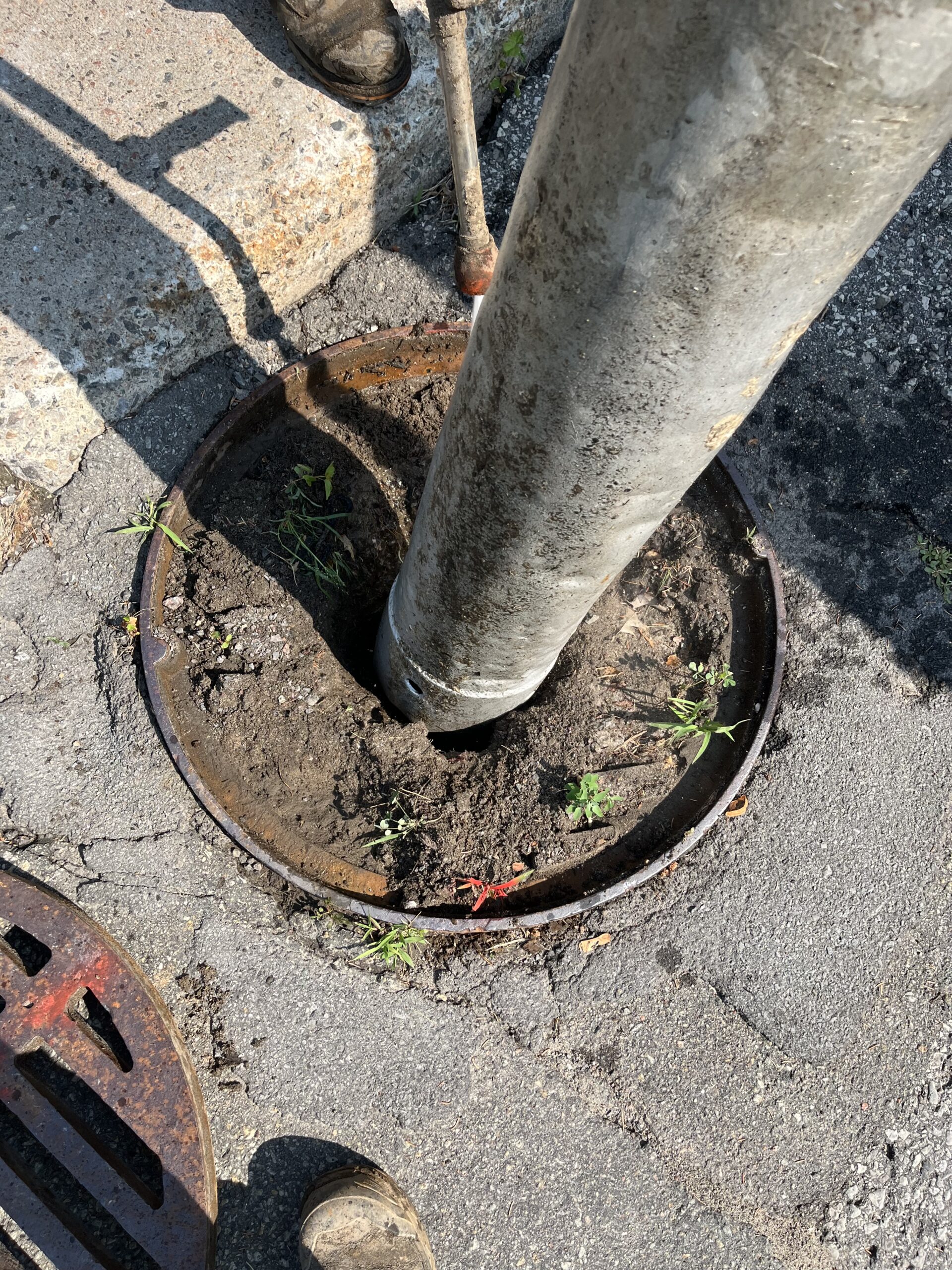
Boreholes are drilled using specialized equipment capable of reaching different depths depending on the investigation objectives. Samples taken are immediately conditioned according to strict protocols to preserve their integrity until analysis in an accredited laboratory.
Specialized laboratories analyze the samples according to parameters defined by Quebec regulations. The results are then compared with the soil quality criteria established by Quebec's Ministère de l'Environnement et de la Lutte contre les changements climatiques.
Data interpretation requires in-depth expertise to assess the extent of contamination, its potential mobility and the associated risks to human health and the environment. This analysis enables us to determine whether remediation measures are necessary before the planned project is carried out.
In Sherbrooke, as elsewhere in Quebec, Phase 2 environmental assessment must comply with a strict regulatory framework. The Environment Quality Act and its regulations define the obligations of owners and developers with regard to environmental investigation.
Professionals must be duly qualified, and assessment reports must be produced in accordance with current standards. In the event of proven contamination, management or rehabilitation measures may be required by the competent authorities.
Although an initial investment, Phase 2 environmental assessment generates considerable long-term benefits. It helps avoid costly surprises during construction, and protects property values.
For the Sherbrooke community, this approach contributes to the safe revitalization of urban areas and the protection of drinking water resources. It also promotes sustainable development by enabling the responsible reuse of urban land rather than sprawl into new areas.
The success of a Phase 2 environmental assessment in Sherbrooke depends largely on the choice of qualified professionals. Experienced consultants familiar with local conditions and regulations are essential.
These experts must have the appropriate professional insurance and keep their skills up to date in the face of constantly evolving technologies and environmental regulations.
Phase 2 environmental assessment is therefore an essential component of responsible urban development in Sherbrooke. This rigorous process guarantees the protection of the environment and public health, while enabling the realization of sustainable and safe development projects for the entire community.
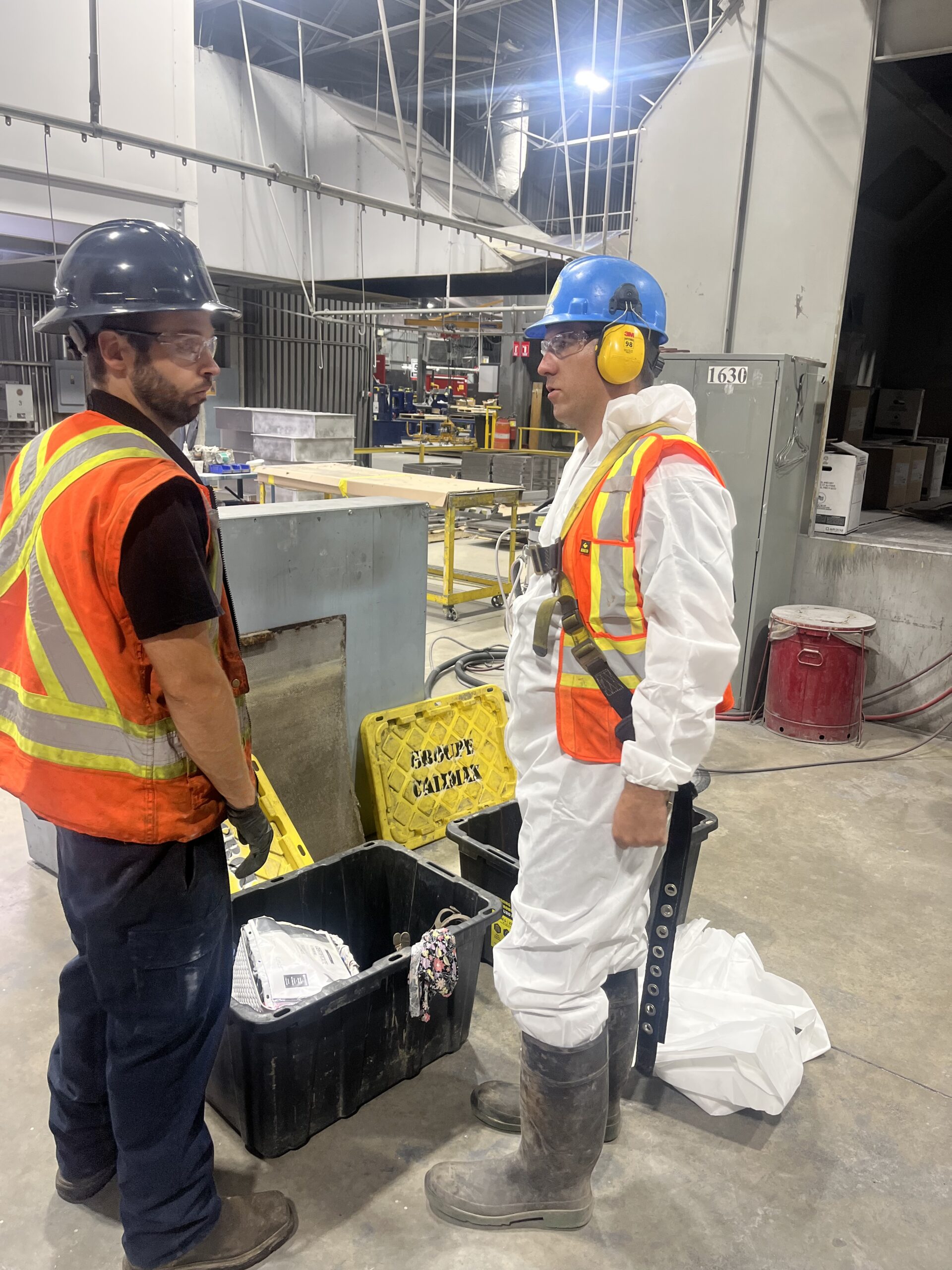
Standardized procedures, certified equipment, ongoing training and 24/7 availability.