November 10, 2025
Phase 2 environmental assessment is a crucial step in the process of acquiring or developing land in Drummondville. This in-depth process identifies and characterizes potential soil and groundwater contamination, providing a clear picture of the environmental risks associated with a property.
A phase 2 environmental assessment is an intrusive investigation that follows on from the phase 1 assessment. Whereas the first phase focuses on documentary analysis and visual inspection, phase 2 involves taking soil and groundwater samples for laboratory analysis.
This step becomes necessary when the Phase 1 assessment reveals potential environmental concerns (PEPs) at the site under study. In Drummondville, an industrial city with a rich manufacturing history, many sites require this type of in-depth investigation.
Drummondville's industrial heritage dates back to the early 20th century. The city has been home to numerous textile, chemical and manufacturing industries, some of which have left their mark on the environment. Historic industrial sectors, particularly near the Saint-François River, often present specific environmental challenges.
Former industrial sites, disused service stations and chemical storage areas are all areas where a Phase 2 assessment is essential. Quebec regulations require this approach for many development projects.
The Drummondville Phase 2 environmental assessment follows a rigorous methodology established by the Quebec Ministry of the Environment. The process begins with the development of a characterization plan based on the findings of Phase 1.
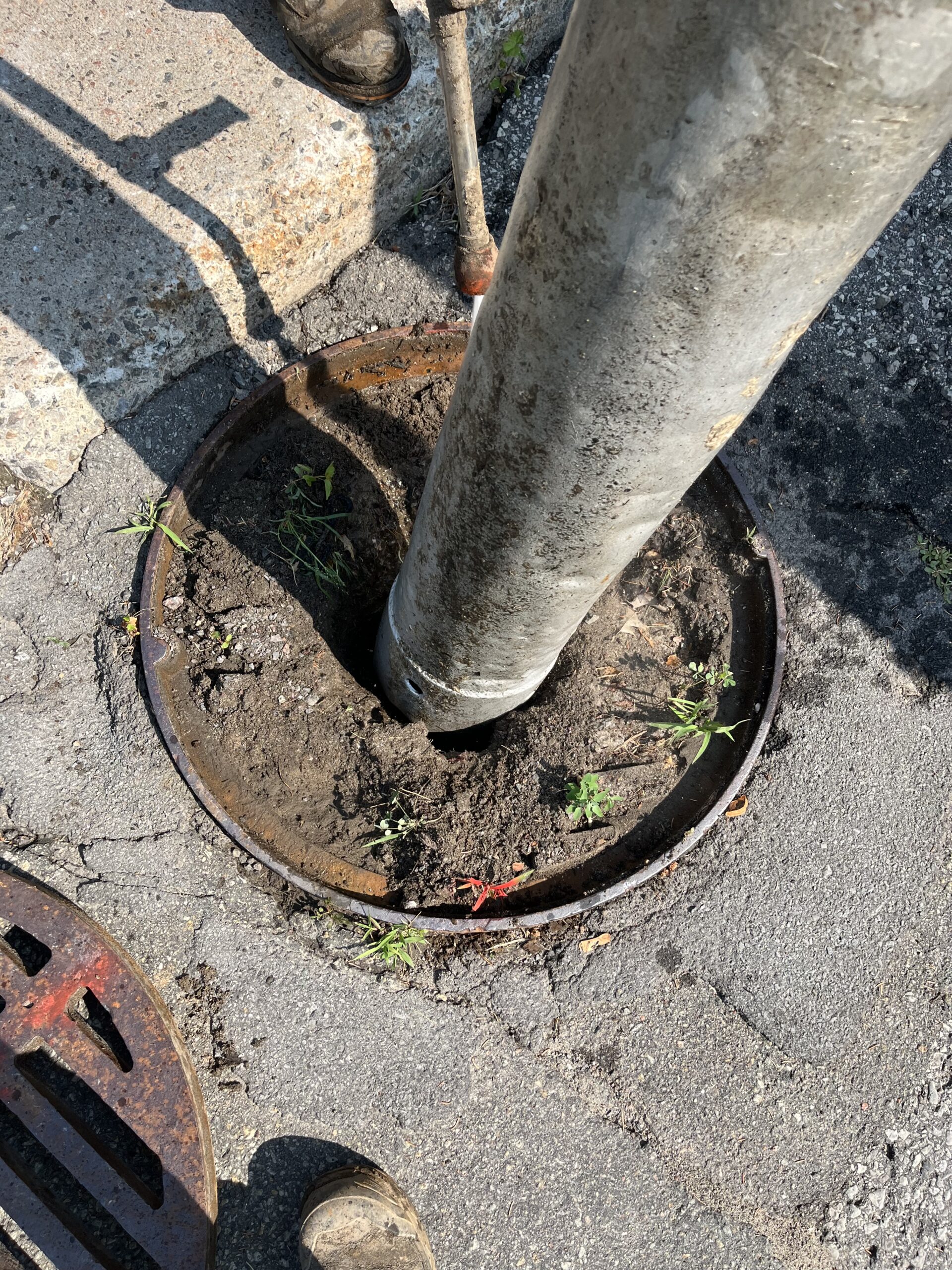
Environmental consultants then drill monitoring wells and take soil samples at various depths. The number and location of sampling points depend on the size of the site, its configuration and the potential contaminants identified.
Samples taken are analyzed for various parameters, depending on the site's historical activities. Among the most frequently tested contaminants are petroleum hydrocarbons (C10-C50), heavy metals, volatile organic compounds (VOCs) and polycyclic aromatic hydrocarbons (PAHs).
In certain cases specific to Drummondville, notably for former textile sites, additional analyses may be required to detect chlorinated solvents or other specialized chemicals used in these industries.
Analysis results are compared with generic soil quality criteria established by the Quebec government. These criteria vary according to the intended use of the land: residential, commercial, industrial or institutional.
When concentrations exceed the applicable criteria, the site is considered contaminated and requires remedial action. The assessment of risks to human health and the environment then guides the consultant's recommendations.
In Drummondville, as elsewhere in Quebec, the discovery of contamination entails significant legal obligations. Under the "polluter pays" principle, the owner is responsible for decontamination, even if he or she is not the source of the contamination.
These discoveries can significantly affect a property's value and development costs. That's why many potential buyers require a Phase 2 appraisal before concluding a major real estate transaction.
Once contamination has been confirmed, several remediation options are available to owners. Excavation and disposal of contaminated soil is often the most direct solution, but other techniques such as bioremediation or containment can also be considered.
The choice of method depends on the type and extent of contamination, the available budget and the project schedule. In Drummondville, several specialized companies offer these environmental remediation services.
Some sites require long-term environmental monitoring, particularly where contaminants persist in groundwater. This usually involves periodic sampling campaigns to ensure that contamination does not spread and that it diminishes over time.
Phase 2 environmental assessment in Drummondville is therefore an essential tool for managing environmental risks and ensuring sustainable development. Although this approach may seem restrictive, it ultimately protects public health and the environment, while securing real estate investments in this dynamic town in the Centre-du-Québec region.
Standardized procedures, certified equipment, ongoing training and 24/7 availability.